Boost your luck and attract prosperity with genuine Thai amulet for wealth and luck. Learn about the history, spiritual benefits, and the most effective sacred amulet for financial growth and success
What is Phra Somdej ?
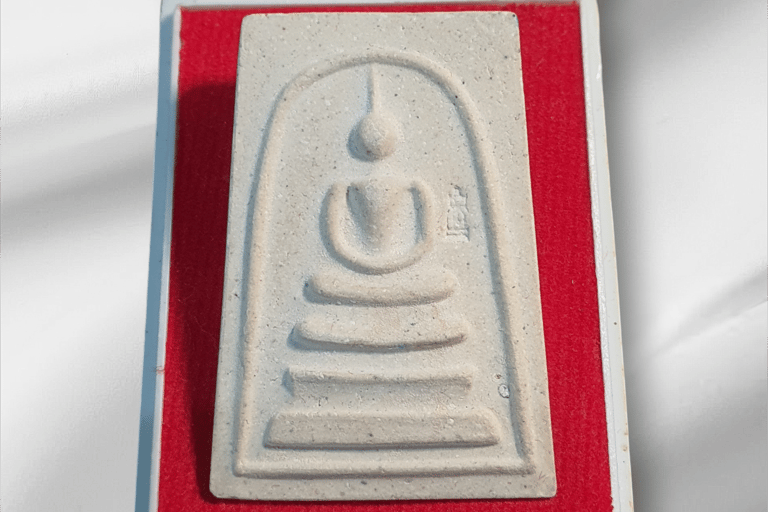
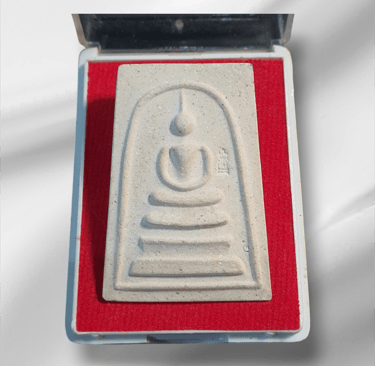
Phra Somdej is renowned as the "King of Thai Amulets," a highly revered, rectangular-shaped Buddhist amulet created in the 19th century by the legendary monk Somdej Toh of Wat Rakhang. It is considered a premier, sacred item in Thailand, symbolizing peace, stability, and supreme protection, and is part of the prestigious Benjapakee set.
Key Aspects of Phra Somdej:
Creator: Created by Somdej Phra Putacharn Toh Bramarangsi (Somdej Toh) during the Rattanakosin period.
Material: Composed of holy powder, dried rice, lotus petals, incense ash, and binders like banana or oil.
Purpose: Known for providing protection against evil, bringing good luck, fortune, and enhancing business/career, known as an "all-rounder" for protection and prosperity.
Appearance: Typically a rectangular-shaped tablet showing a seated Buddha figure on a three, five, seven, or nine-tiered base.
Value: Authentic Phra Somdej, especially those from Wat Rakhang, are extremely valuable and considered the most expensive, sought-after amulets by collectors.
The amulet is not sold, but rather "rented" or "blessed" (เช่าบูชา - chao bucha), a term used to reflect the sacred exchange.
What is Phra Khun Paen ?
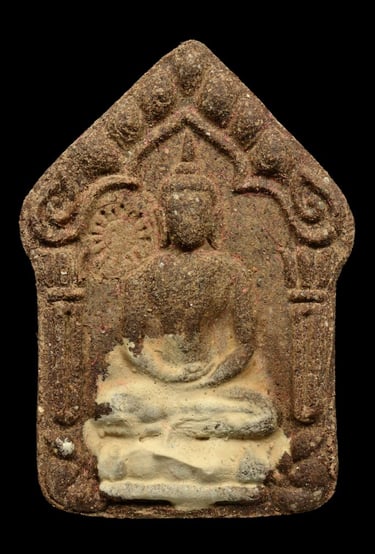
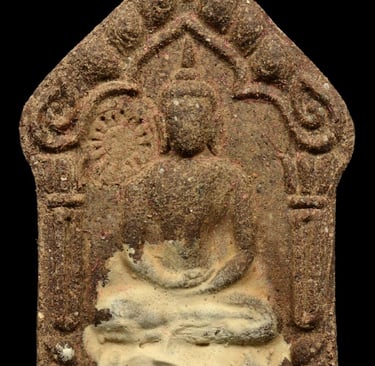
Phra Khun Paen is a highly revered Thai votive tablet (amulet) originating from the Ayutthaya period, renowned for bestowing immense charm (metta maha niyom), protection from danger (klaew klad), and invincibility (kongkaphan), often featuring a Buddha image in a pentagonal shape, popularly linked to the legendary warrior Khun Paen.
Key details about Phra Khun Paen amulets:
Origin: The most authentic, ancient amulets were found in pagodas, notably at Wat Ban Krang in Suphanburi Province, dating back roughly 400–700 years.
The Image: Despite the name, the amulets do not typically depict the warrior Khun Paen, but rather the Buddha in a seated, meditation, or earth-touching pose, usually within a pentagonal frame.
Purpose: Worn for charisma, attracting opposite sex/attention, and protection against weapons.
Materials: Originally made of baked clay mixed with sacred powders and herbs. Modern versions may include diverse materials, including sacred soils or in rarer, more controversial cases, magical substances.
The Legend: Named after a character in the popular Thai literary epic Khun Chang Khun Phaen, a warrior known for his bravery, magical skills, and charm.
These amulets are particularly popular among collectors and believers seeking success in business, personal magnetism, and safety.
What is Phra Rahu ?
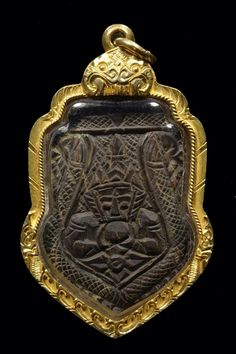
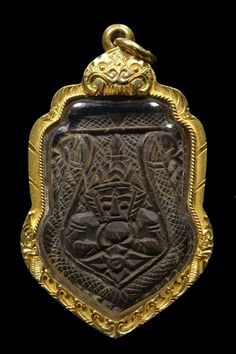
Phra Rahu (พระราหู) is a revered deity in Thai Buddhist, Hindu, and occult traditions representing the "Lord of Darkness" and the god of eclipses. Often depicted as a fierce black,, half-bodied demon biting the sun or moon, he is worshipped to ward off bad luck, overcome misfortune, prevent black magic, and turn bad fate into good fortune.
Key Aspects of Phra Rahu:
Origin Story: According to legend, Rahu was an Asura (demon) who drank the elixir of immortality. The sun and moon deities reported him to Vishnu, who chopped him in half. Because the elixir had already passed through his throat, his head remained immortal, and he now seeks revenge by chasing and swallowing the Sun and Moon, causing eclipses.
Worship and Offerings: Due to his association with darkness, he is worshipped using eight black offerings (black chicken, black liquor, black jelly, etc.) on Wednesdays or during eclipse periods to appease him and gain his protection.
Symbolism: He is believed to eat away bad luck and protect against "backstabbers" (Xiao ren), making his amulets popular for protection and career success.
Famous Temple: The primary site for worshipping Phra Rahu in Thailand is Wat Srisathong in Nakhon Pathom Province.
Phra Rahu is not considered purely evil, but rather a powerful force that, when honored, can protect individuals from adversity and bring prosperity.
What is Phra Pidta ?
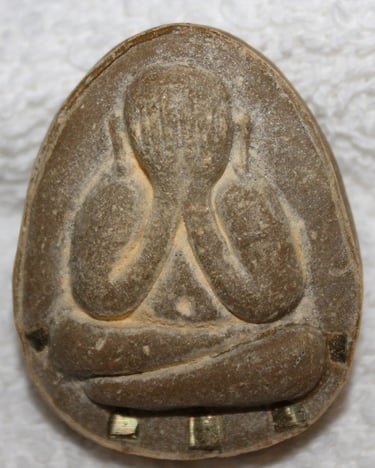
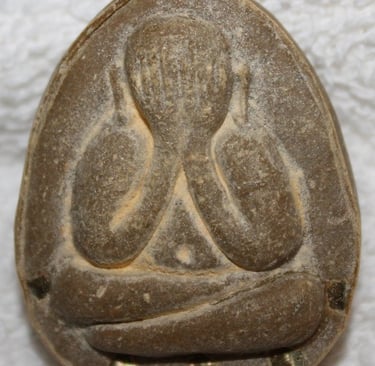
Phra Pidta, translating to "closed eyes" or "covered eyes" in Thai, is a revered Buddhist amulet depicting a monk (often associated with Phra Pitda or Sangajayana) in a seated, meditative pose with hands covering the eyes. It symbolizes the blocking of external distractions, harmful influences, and worldly temptations to achieve inner peace, immense focus, and strong protection against dangers.
Key Aspects of Phra Pidta:
Symbolism: The closed eyes represent ignoring evil, avoiding bad influences, and shutting out the world to focus on self-cultivation.
Primary Benefits: Known for "Metta – Maha Niyom – Chok Laap," which means it brings immense kindness, popularity, good luck, wealth, and fortune.
Protection: It is widely recognized as a powerful protective amulet, especially for those in high-risk professions, guarding against bad luck, accidents, and black magic.
Origins: The image is believed to be derived from one of the Buddha's disciples who was highly dedicated to the Dharma.
Variations: While the classic form has two hands covering the eyes, some versions (often termed Phra Pidta Maha-Ut) may feature multiple hands covering all senses (eyes, ears, mouth, etc.).
Phra Pidta amulets are made from various materials, including sacred powders, holy wood, and metals like copper, lead, or gold, with some older pieces being highly sought after by collectors.
What is Phra Sankachai ?
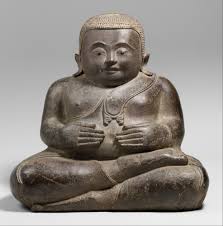
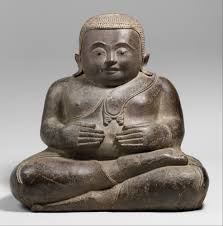
Phra Sangkachai is a revered Theravada Buddhist Arhat known in Thailand as the "Wealth Buddha" or "Fat Monk," symbolizing prosperity, abundance, and wisdom. Depicted as a smiling, chubby monk with a protruding belly, he is worshipped for bringing good fortune, success in business, and health. Often confused with the Chinese Laughing Buddha (Budai), he was historically a highly intelligent disciple praised by the Buddha for explaining complex Dharma.
Key details about Phra Sangkachai include:
Symbolism: Represents wealth, happiness, and, due to his legend as a formerly incredibly handsome man who disguised himself, represents inner virtue over outward appearance.
Attributes: Often portrayed with hands on his stomach, holding a bag of wealth, or sitting on a lotus throne.
Worship: Farmers and business owners in Asia often worship him for good harvests, financial success, and, because of his caring nature toward poor children, general,, well-being.
Origin: A disciple of the Buddha who helped spread the Dharma and is sometimes considered an incarnation of Maitreya, the Future Buddha.